
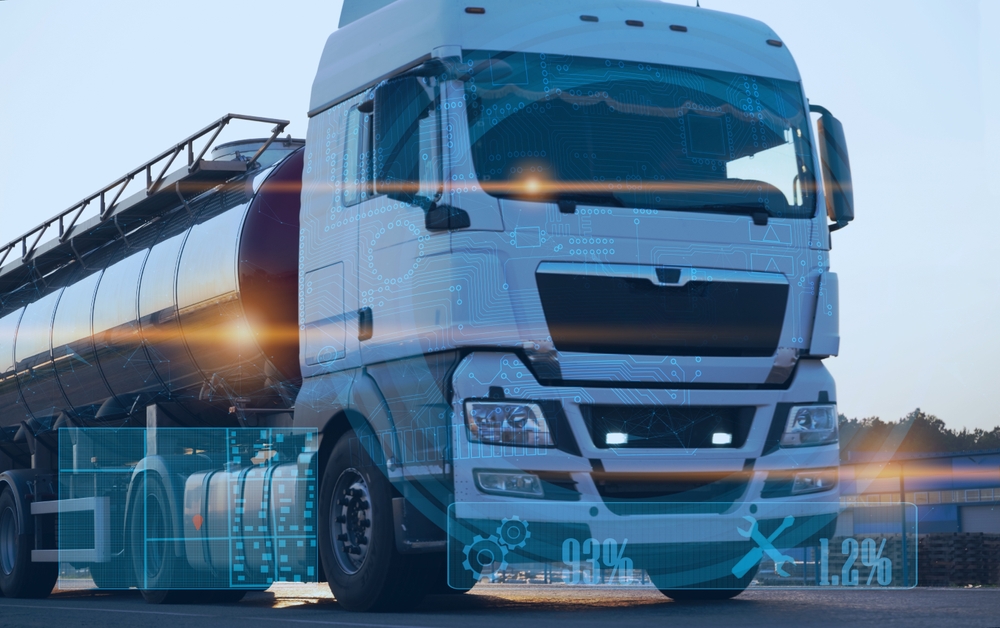
Modern vehicles do more than move from one location to another, they constantly generate and exchange data. The system behind this communication is called CANBUS (Controller Area Network Bus). It allows different parts of a vehicle, such as the engine, brakes, transmission, and dashboard, to communicate with each other in real time.
For fleet operators, CANBUS provides valuable insights that can improve vehicle performance, maintenance planning, fuel management, and driver monitoring.
What CANBUS Actually Does
Think of CANBUS as the vehicle’s internal communication network. Instead of every system working separately, they share information continuously. This is how your vehicle can detect engine faults, monitor fuel usage, display warning lights, and track performance data.
With CANBUS integration, fleet managers can access information such as:
- Fuel consumption
- Engine performance
- Vehicle speed and RPM
- Fault codes and diagnostics
- Idling time
- Driver behavior patterns
Why It Matters for Fleet Management
Without CANBUS data, many fleet decisions are based on assumptions. With it, businesses gain real-time visibility into what is happening inside their vehicles.
This helps fleets:
- Detect problems before breakdowns occur
- Improve maintenance scheduling
- Reduce fuel waste
- Monitor driver performance
- Minimize downtime
Instead of reacting to issues late, fleet managers can respond early and operate more efficiently.
Turning Vehicle Data Into Smarter Decisions
Vehicles are already generating the data businesses need, the advantage comes from knowing how to use it.
At Best Practices Limited, our fleet solutions help businesses access and interpret data to improve operational efficiency, reduce costs, and strengthen fleet performance